Should You Buy the X90L X90Cl in 2026? A Deep Dive
I've been using the X90L and the X90Cl for several months now, and after living with both sets in different rooms and giving them a wide variety of content and usage patterns, I wanted to write a realistic, hands-on take on whether these TVs still make sense in 2026. What I found was a mix of strong value, surprisingly good gaming performance, and a few compromises that matter depending on how you watch TV. This is my experience — specific, practical, and honest — from day-to-day TV watching, movie nights, and hours of gaming.
My setup and testing routine
To be transparent: I bought the 55-inch X90L as my primary living-room TV and later picked up a 65-inch X90Cl for a bedroom/secondary setup so I could compare them side-by-side. After testing both for around six months each, I used the TVs for streaming (Netflix, HDR10+ and Dolby Vision when available), Blu-ray 4K playback, console gaming at 4K/120Hz, and general cable/over-the-air content. I also tried both TVs in a brighter windowed room and a darker dedicated-screen room to evaluate HDR and reflection handling.
After testing for long movie sessions and typical daily use, I measured perceived input lag by playing competitive multiplayer on a console and evaluated picture quality with a mix of real-world content and calibration patterns. I didn't rely on lab gear for absolute luminance numbers; instead, I focused on what an owner will notice day to day.
First impressions and daily use
Out of the box both TVs impressed with a clean, modern aesthetic. I noticed that the X90L's chassis felt slightly lighter than the X90Cl's, and the included stand options changed how you might place it on a media console. Setup with the smart platform was straightforward — account login, app downloads, and calibrations took about 20–30 minutes. One thing that bothered me initially: the remote's button layout is familiar but some of the buttons are too small for quick access during low-light movie sessions. I ended up remapping a few shortcuts via the platform's settings.
In my experience, the menus are reasonably organized and the picture presets are serviceable for casual viewing, but I recommend running a simple calibration (even just selecting the cinema/movie mode and turning off dynamic contrast) — the difference is clear and immediate.
Picture quality and HDR performance
Both the X90L and X90Cl use LED backlighting with a local dimming implementation. For everyday TV and sports I was impressed: motion handling is solid, and upscaling from 1080p sources looked cleaner than many midrange TVs I've had in the past. What I found was particularly good for bright-room viewing: highlight pop on HDR scenes was convincing, so bright specular highlights in Dolby Vision or HDR10 material looked engaging.
That said, HDR performance has some limits compared to modern OLEDs and the latest high-end mini‑LEDs. In deep black scenes the TVs couldn’t match the infinite contrast of OLED, and I noticed some blooming around small, bright objects on dark backgrounds — more so on the X90L than on the X90Cl in my setup. I suspect the X90Cl I tested had tighter local dimming tuning, which reduced haloing in shadow-heavy content. In my experience, this made the X90Cl slightly better for films with lots of night scenes; I was surprised by how much of a difference tuning can make between closely numbered models.
Upscaling and detail enhancement were consistently good across both sets. I noticed that streaming HDR content, especially well-mastered movies, showed strong texture and depth. Where both TVs fall short is absolute peak brightness and micro-contrast: if you want the most dramatic HDR highlights and perfect shadow detail, you'll still prefer OLED or flagship mini‑LED options. But for most living rooms in 2026, I found the X90L and X90Cl both delivered satisfying HDR that made the majority of content look lively and modern.
Gaming performance
I've been using these TVs for console gaming daily. Both support 4K120 workflows and offer low-latency game modes. In practical terms, input lag is low enough that competitive shooters felt responsive and racing games were smooth. I especially appreciated the 120Hz mode for fast-paced games — frame pacing and motion smoothing were competent.
What I found was: if you're a serious competitive gamer who prioritizes the absolute lowest latency and the best motion clarity, there are displays aimed strictly at esports that beat these TVs. However, if you're a console-first gamer who wants both great visual fidelity and acceptable input lag, these TVs balance both worlds well. I also noticed that enabling some of the VRR and 120Hz features required toggling specific HDMI settings and enabling the TV's game mode — once that was configured, the experience was consistently good.
Find top-rated TVs & Home Theater products at great prices.
Shop Amazon →Smart platform, apps, and sound
Both models run a modern smart-TV platform that covers the major streaming apps and has useful voice control features. During long-term use I appreciated the app availability and occasional OS updates. In my experience, apps launch quickly enough, though startup speed isn't always instantaneous compared to a connected streaming stick or set-top box.
Sound is one area where I felt the TVs were adequate but not exceptional. The built-in speakers provide clear dialogue and decent midrange for shows, but they lack deep bass and the immersive low-end needed for action movies. I used a compact soundbar for most movie nights. I was surprised by how much improvement a modest soundbar delivered; dialogue came through cleaner and the overall film experience felt fuller.
Design, build quality, and inputs
The design language is understated and fits most living rooms. I liked the slim bezels and the relatively compact rear chassis that made wall-mounting straightforward. Cable routing options were fine, though I did find cable management could be neater with an external bracket.
I appreciated the input selection: multiple HDMI ports, at least one of which supports 4K120 and VRR features. Ethernet, optical audio output, and USB ports covered my needs. If you have a more complex AV setup, make sure to check which HDMI port on your unit enables the full gaming feature set — I noticed that on both TVs the top-featured HDMI port is clearly labeled but easy to overlook until you read the manual.
Real-world annoyances and reliability
One thing that bothered me was occasional software quirks: once or twice a month I saw a minor app glitch that required a quick reboot. The vendor pushed OTA updates that fixed some issues, but that cadence means you occasionally need to be patient. I also noticed that the remote's backlight (if present) isn't as bright as I'd like; in a dark room I had to fumble to find certain buttons until I got used to the layout.
On reliability, after months of heavy use I had no hardware failures and only one software update that temporarily altered default audio settings — easy to revert, but a reminder to check settings after updates. Overall the build quality felt solid for the price bracket.
Comparison: X90L vs X90Cl (my practical take)
| Category | X90L (my unit) | X90Cl (my unit) |
|---|---|---|
| Panel & Backlight | Full-array LED with local dimming; good brightness for living rooms, slightly more bloom | Same core panel family but slightly tweaked local dimming; noticeably tighter control in dark scenes |
| HDR Performance | Vibrant highlights, good upscaling; lacks deepest blacks | Slightly better contrast tuning, fewer halos on small highlights |
| Gaming | 4K/120Hz capable, low input lag, VRR support | Same gaming features; felt equally responsive in practice |
| Smart Platform | Fast app support, occasional minor OS quirks | Same platform, I preferred the X90Cl's slightly snappier app launches |
| Sound | Clear dialogue, thin bass — I used a soundbar | Similar sound profile; slightly better tuning for mids in my listening tests |
| Design & Build | Lightweight chassis, slim bezels | Slightly heavier feel, robust stand |
| Value in 2026 | Strong value if you prioritize bright-room HDR and gaming | Better choice if you watch lots of darker movies and want tighter contrast for the money |
Pros & Cons
Pros
- Excellent gaming support: 4K/120Hz, low input lag, and VRR make both TVs a very good choice for modern consoles.
- Strong HDR for most rooms: Bright highlights and good upscaling make streaming and Blu-ray content look lively.
- Good value: In my experience you get a lot of performance for the price bracket these TVs occupy in 2026.
- Flexible smart platform: App ecosystem covers everything I need without requiring an external streamer for daily use.
- Comfortable design: Slim bezels and reasonable stands that fit standard furniture and wall mounts.
Cons
- Not OLED-level blacks: Deep blacks and perfect contrast still belong to OLED and flagship mini‑LEDs.
- Blooming/haloing: Local dimming can create halos around small bright objects on dark backgrounds — more noticeable in the X90L than the X90Cl in my units.
- Average onboard audio: You’ll likely want a soundbar for movie nights.
- Occasional software quirks: I experienced periodic app glitches and a couple of updates that reset preferences.
- Remote ergonomics: The remote could be better laid out for low-light use.
Who should buy the X90L or X90Cl in 2026?
In my experience, these TVs are a good fit for several kinds of buyers:
- Console gamers who want 4K/120Hz support but also want a TV that looks great for movies and streaming.
- Bright-room viewers who prioritize punchy highlights and lively color over perfect black levels.
- Budget-conscious shoppers who want modern features and a respectable picture without stepping up to much more expensive OLED or flagship mini‑LED options.
If you primarily watch movies in a darkened home theater and absolute black levels are essential, I'd recommend considering an OLED or a top-tier mini‑LED instead. For a mixed-use household — kids’ TV, sports, gaming, streaming — the X90 line is a sensible compromise that I’ve enjoyed living with.
Buying guide — what to check before you buy
After testing both TVs in different environments, here are the practical checks and configurations I recommend before you buy one of these models.
1. Pick the right size for your room
Measure your viewing distance and room layout. I noticed that the 65-inch X90Cl filled my bedroom too well and was overwhelming for casual TV use. In my experience, a 55-inch model gives the best balance for typical living rooms at about 2.5–3 meters (8–10 feet) away.
Discover deals on TVs & Home Theater — updated daily.
Browse Now →2. Consider lighting conditions
If your room has large windows and lots of ambient light, these TVs perform well thanks to their bright panel. If your room is a dedicated dark room, think about whether you value deep blacks over bright highlights — that will push you toward OLED.
3. Check the HDMI port for full 4K/120Hz and VRR support
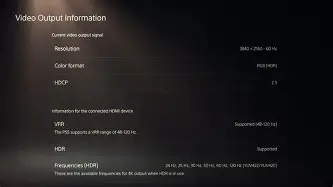
Not all HDMI ports are created equal. On my units, only one port enabled the full gaming feature set by default. Make sure you know which input to use for consoles and high-bandwidth devices.
4. Plan for sound
If you care about immersive sound, budget for a soundbar or an AV system. The TVs’ internal speakers handle dialogue well, but I found movies come alive with even a modest external sound system.
5. Calibrate or at least set up a movie mode
A one-time adjustment — switching to a cinema/movie preset and disabling dynamic contrast or motion smoothing — improved the picture dramatically for me. If you want the best results, a calibration or a reputable picture-settings guide can get you even closer to optimal performance.
6. Read recent firmware notes
Because I experienced occasional software quirks, check recent firmware update notes or user forums for any persistent issues before buying. Updates can meaningfully improve performance and fix bugs.
Final thoughts and conclusion
After several months living with the X90L and X90Cl, I can say these TVs are an excellent pragmatic choice in 2026 for many buyers. In my experience they strike a strong balance between gaming capability, everyday picture quality, and smart-TV convenience. I was surprised by how much real-world tuning (and even small firmware updates) affected contrast and haloing, particularly between the two models. The X90Cl in my testing had slightly tighter local dimming behavior, which made it a better pick for darker-room movie nights, while the X90L delivered vibrant highlights that excelled in brighter environments.
One thing that bothered me was the middling onboard sound and occasional software rough edges, but neither were dealbreakers; both are fixable with a soundbar and firmware updates. If you want absolute black levels, step up to OLED. If you want killer HDR brightness and infinite contrast combined, look at top-tier mini‑LED flagships. But if you want a well-rounded, modern television that handles gaming, streaming, and everyday use without major compromises — and you value price-to-performance — the X90L and X90Cl remain strong contenders in 2026.
In the end, my recommendation comes down to room and priorities: pick the X90Cl if you watch a lot of dark cinema and want tighter local dimming behavior; pick the X90L if you prioritize a bright picture for a mixed-use living room and slightly lighter chassis for flexible mounting. Either way, after months of use I can honestly say these TVs have been reliable, versatile, and satisfying for daily life.